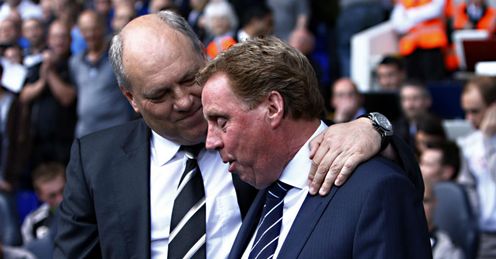
"Strange days indeed - most peculiar, mama..."

0 comments
We may not quite all be Thatcherites now but the ‘iron lady’ so incessantly described this past week as ‘divisive’ managed yesterday to unite friend and foe in posing together for pictures at least.
Rival groups gathering in Paternoster Square bearing placards variously declaring ‘Our greatest PM’ and ‘Our thoughts are with the victims of Thatcherism’ stood side by side, each trying to Photobomb the other.
Curious onlookers captured snaps, just as many did throughout the day - whether peering across the procession route at Baroness Thatcher’s coffin or the St Paul’s steps for any famous faces.
The hoisting high of so many cameraphones and iPads called to mind the Kinks’ ‘People Take Pictures Of Each Other’ - say, ‘just in case someone thought they had missed it, and to prove that it really existed’. 
One of those jostling amid the squeezed middle of the pack outside St Paul’s wondered: ‘So who d’you think’s won: those coming to pay their respects, or the nutters?'
While less-than-PC about those others dubbed ‘protesters’ - and a few gave rather more scathing labels - he left out all there not necessarily as Thatcher admirers or enemies, but simply keen on an occasion.
Workers glad to take a few hours out of the office mingled with miners sacked in Lady Thatcher’s 1980s heyday as well as businessmen and women crediting her for their better fortunes.
Her coffin initially set off from the Palace of Westminster, outside which some enthusiastic fans had been camping since the previous evening to ensure a good view for her send-off.
Crowds were rather sparser along Whitehall and The Strand, with almost as many police officers apparent - and their main role seemed to be less about security than directing people to the nearest still-open road crossings.
An incongruous sight and sound on a traffic island opposite Trafalgar Square was an Irish jig danced by kilt-wearing, defrocked Catholic priest Neil Horan.
The eccentric cleric who previously disrupted the 2004 Olympics marathon carried a banner bearing the message: ‘Margaret Thatcher was courageous and patriotic - but she was flawed, like all politicians.’
Margaret Pearce, 74 and from Shepherds Bush in west London, was more strident, saying: ‘I’m here to pay my respects to a great lady.
‘She was the most marvellous prime minister - and she was a woman who wasn’t afraid of any man.
‘The people protesting are disgusting. They’re mainly youngsters who weren’t when she was in power and the cost is only so high because of what they’re threatening.’
Two young women there less from anger or acclaim were secretaries April Robinson, 24, and 27-year-old Charlotte Bury - prompted by curiosity and convenience, thanks to an office around the corner.
Ms Bury, from South Kensington in west London, said: ‘We were a bit too young to really be aware, but she seemed to do some good.’
Ms Robinson, from nearby Tottenham Court Road, added: ‘She was a big part of history so I wanted to check out the atmosphere. But I’m a bit shocked how un-busy it is.’
Space on pavements proved trickier to seize towards St Clement Danes, however, especially as the coffin approached for handover into a military-led gun carriage.
‘Is that it?’ - ‘Yes, that’s it’ was one rather nonplussed exchange, as the coffin approached to the soundtrack of non-Big Ben bing-bongs from the RAF chapel.
After Westminster’s Great Bell was silenced in Lady Thatcher’s honour, her cortege also managed to remain out of earshot from St Clement Danes’ custom of chiming ‘Oranges And Lemons’ on the hour.
But despite a rousing rendition of ‘Jerusalem’ as she passed, this section of the journey did strike some notes of discord.
There were angry exchanges outside the Royal Courts of Justice as ex-miners unfurled a flag declaring ‘Rest In Shame’.
A workman wearing a high-visibility jacket as he wandered past described the scene to someone on his mobile phone, adding: ‘I hope they die.’
Smartly-dressed old gent Brian Glynn, also making his way along, provoked protests by telling one flag-bearer: ‘Shame on you, you piece of s***.’
The 69-year-old office equipment company manager had travelled to London from the Isle of Man to honour the woman he first voted for back in 1979.
He said: ‘Those protesters should be deeply ashamed. Apart from everything else, she was an elderly lady and she deserves to be honoured.
‘This is a free country - but I too exercised that right and told them what I thought, and 99 per cent of the people standing around would’ve agreed.’
Paul Birch, 45 and from Manchester, said: ‘She did a lot of things, some good and some bad - but it looks like a few here just want an excuse to kick off.’
Among those beneath the ‘Rest In Shame’ flag was 53-year-old Stephen Tugman, who both went on strike and was sacked while a miner in Scotland in the 1980s.
He travelled down from Bathgate in West Lothian yesterday, saying: ‘This is the woman who ended the family allowances for miners and now we’re paying £10million for her funeral. It’s offensive to the working classes.’
Sue Losh, 52 and from Liverpool, said: ‘The communities she wrecked have never been the same since.’
Other pockets of dissent could be found along Fleet Street - eagerly pressed upon by the Press - as they called out ‘Shame’ and turned their backs, while others craned their necks, on the passing carriage.
A half-hearted attempt at a chorus of ‘Ding Dong! The Witch Is Dead’ faltered, though the wannabe song-starter merely grinned when told: ‘You’d faint at seeing a bar of soap.’
But all raised were voices rather than fists, while the only items thrown on to the road were flowers instead of milk or other missiles.
Some demonstrators’ fears that those not pre-arrested could be ‘kettled’ by police appeared to prove unfounded.
Why, one helpful officer even had to correct himself when telling a lost-looking protester: ‘The main aggressive, sorry, “anti” group is down that way.’
There were indeed many chanting angry slogans in the streets and squares around St Paul’s - plus solitary preachers promoting religious fervor, alleged miscarriages of justice and or threatened local hospitals.
Most spectators, however, had at least more nuanced views - uniting in applause for the military personnel marching by while pointing and cooing towards familiar politicians and TV presenters.
That anti-’nutters’ onlooker may have wanted a final scorecard - perhaps in keeping with Lady Thatcher’s own winning spirit.
Yet in the disparate hubbub as crowds quickly drifted away, respects or grudges duly paid, the atmosphere in both city and City felt neither sombre nor seething - merely returning to business as usual.

Thatcher found Finchley perfect fit as MP and PM, deeming it 'one of us' enough

0 comments
Growing up in the 1980s, Margaret Thatcher appeared inescapable and inevitable – growing up in the 1980s in Finchley, even more so.
Way back when, in callow childhood days even before forming the righteous – if juvenile – opinions of youth, the fact she was Britain’s first female prime minister meant little.
More significantly, she was not only prime minister – but, well, the prime minister.
Most often, that formidable personality came not only via TV screens – on BBC1 at Six or Nine O’Clock, on BBC2 otherwise – but often in front of pale blue walls. 
(Just imagine the CGI effects modern-day movie directors might apply.)
Then that Spitting Image monster loomed even more terrifying than Terrahawks, and only more convincing for competing with June Whitfield’s rather more anaemic impression on Radio 2’s Huddliners.
This North London boy never had the pleasure – sorry, disgrace – of being told off at school for pelting snowballs at the visiting prime ministerial limousine, a younger brother indulging instead.
Little time went by, though, without wandering through Finchley and noticing rings of steel suddenly surrounding a school or church hall no other MP could even dream of needing.
Yet ‘only’ seven years after Mrs Thatcher’s resignation as prime minister – and five after her succession in Finchley by prim, personality-free, researcher-pursuing Hartley Booth – somehow the constituency just about turned red.
Not only did Finchley fall in the most unlikely – and indicative – of gains for Tony Blair’s New Labour that was admittedly in thrall to Thatcher, but to an old-leftie lecturer in Dr Rudi Vis, who turned up to the count with no victory speech planned.
The Thatcher shadow still loomed, even if she no longer made local engagements with the assiduity of 1959 onwards and regularity even when loftier calls of state demanded.
Grantham may dominate the eulogies, Orgreave – and many similar others - the excoriations, but this stolid and respectable, stealthily aspirational North London suburb feels a suitable fit too.
Why, the current incumbent MP Mike Freer, returning the constituency to true blue after 13 years of the late Dr Vis, previously led Barnet council with a privatising – and, among local authorities, pioneering - zeal of a very Eighties flavour.
The so-called ‘easyCouncil’ approach seeks to shred social services and libraries to barely minimal efforts – and cost – so long as council tax increases remain low or even non-existent.
Mrs Thatcher may have found, in Finchley and far beyond, electoral prospects boosted by playing on patriotism, homeliness and alleged rectitude - yet also self-interest and greed.
For all the shrill hysteria of those who opposed, she did prove equally and expansively popular as well, perhaps thanks to many motives ambitious even if others might be more ambiguous.
Now this ‘Thatcher’s child’ suspects she would waste little time worrying about all those offending her admirers by celebrating her demise.
After all, one of her most striking and telling inquiries tended to concern whether anyone she met could be classed as ‘one of us’.
(And if not - ah, who cares...?)

"Harry was a champion in some eyes..."

0 comments
Jol to Redknapp?: "I've been there, my friend..."
The last time Tottenham Hotspur fired a manager as England prepared to face Sweden in a European Championship tie, few mourned Christian Gross’s departure.
In fact, many Spurs supporters would have happily paid his air fare home to Switzerland in September 1998, let alone reimbursed the Travelcard that brought him to White Hart Lane nine months earlier.
Yet the departure of Harry Redknapp – an apparent shock to the viewing world, a long time coming to many White Hart Lane watchers – promises to be much more divisive.
To some, ‘Arry is the saviour of White Hart Lane, the man who famously dragged the careworn team from ‘two points from eight games’ to the Champions League quarter-finals within two-and-a-half years.
Not only has he secured three consecutive top-five finishes at White Hart Lane for the first time since 1964, he has done so encouraging the free-flowing, devil-may-care football for which Spurs were once-upon-a-time renowned.
To others, he is a self-serving rentaquote to whom every Tottenham upturn is his responsibility alone and every slide someone else’s fault.
A shoulder-shrugging short-termist, whose fabled man-management only goes so far as an over-worked, under-rotated squad – and to blame for two late-season slumps in a row.
To some, of course, the truth lies somewhere in between – perhaps appropriate when discussing a man who can directly contradict his own pronouncement one day with another audience-pleaser the next.
Redknapp would have been few Spurs’ fans pick as manager for many years before he finally got the late-night call one Saturday in October 2008 – too associated with West Ham, too mouthy, too common.
Yet such was the plight of the club at the time, an appointment allegedly long pushed upon chairman Daniel Levy by director Paul Kemsley was finally made feasible.
Juande Ramos’s reign at Tottenham has gone down alongside those of Gross, Aston Villa’s Josef Venglos and Wimbledon’s Egil Olsen as among the most laughably inept of overseas manager-spells in England.
All could, though, claim expert witnesses claiming certain mitigating circumstances and Ramos did lift with Spurs their only cup since 1999 – deliriously seeing off Arsenal and Chelsea as closing acts.
But all the pre-season milk of human kindness towards his side in summer 2008 quickly curdled as his tactical experiments failed to gel and his linguistic skills developed even less well.
Redknapp thus provided a refreshing return to basics, giving a central role to newly-signed playmaker Luka Modric as Arsenal were pegged back from 4-2 to 4-4 and Liverpool – yes, back then, Liverpool – were given their first defeat of the season.
Ramos’s two-points-from-eight-games are well-remembered – partly due to Redknapp’s regular reminders.
Yet less often recalled is the run of games in December 2008 and January 2009 when eight matches yielded six points, threatening to drag Spurs back into the relegation battle.
More worrying – and uncharacteristic – were the hidebound defensive line-ups Redknapp sent out, barely registering a shot on goal per game in away defeats to the likes of Newcastle United and Wigan Athletic.
At least, on reflection, a lesson was learnt. Often excitingly so.
The same period did see Spurs reach a second successive League Cup final, unluckily losing to Manchester United on penalties, but only after surviving a fright – and defensive horror-show – in the semi-finals against second-tier Burnley.
That kind of one-off meltdown would become an occasional yet recurring habit, such as a 4-0 FA Cup battering at Fulham, a Champions League-endangering 3-2 defeat at Switzerland’s Young Boys, and five-goal poundings last season by Manchester City, Arsenal and Chelsea.
On each of those occasions – and the surreal 4-3 defeat at Internazionale in October 2010 – Redknapp’s starting line-ups seemed to bear out his reputation for tactical negligence.
Yet almost as often, his ability to rethink his strategy mid-match could prove as astute as any more cerebral-seeming manager – such as the introduction of Jermain Defoe that helped turn a 2-0 deficit at Arsenal into a 3-2 victory: Spurs’ first away to their arch rivals in 17 years.
John Lennon once said of Paul McCartney that he was a very good lyricist who just didn't believe he was – perhaps similar could be said of Redknapp as a tactician.
Yet while his strategic thinking may sometimes be under-rated, his man-management talents can be esteemed too much the other way.
While his Spurs signings as a whole have proved underwhelming – Peter Crouch, Wilson Palacios and Robbie Keane among those sold at a loss – the star players have been those inherited such as Luka Modric and Gareth Bale. Redknapp has evidently found how to get the very best from those players, through both canny positioning and positive handling.
Yet Bale and Modric visibly tired as last season dragged on, while out-of-favour men either got offloaded – like Roman Pavlyuchenko – or loaned out like Vedran Corluka and Steven Pienaar, leaving those that remained either overworked or unfulfilled.
Blame for Spurs’ misdirected January transfer window could well be levelled at the board as well as Redknapp.
At a time when Tottenham were being – over-optimistically – talked up by some as authentic title contenders, to bring in only veteran free transfers Louis Saha and Ryan Nelsen seemed almost insulting.
Perhaps, understandably, chairman Daniel Levy felt unwilling to spend lavishly here and now for a manager presumed to be off to the England job within months – and hardly making a secret about his own ambitions.
Now Levy, having evidently tired of Redknapp’s talkative nature and hesitant about handing a lengthy contract extension after that dispiriting close to the season, faces a daunting task.
After almost four years of stability, Tottenham are now plunged back into the sort of uncertainty that had become quite a constant until Redknapp’s reign.
Leading contenders to replace Redknapp, such as Everton’s David Moyes or Wigan Athletic’s Roberto Martinez, can hardly be assured of enthusiastic backing from fans – and improving upon last season’s fourth place will be challenging.
As will, more imminently, holding on to the likes of Modric, Bale and even Schalke target, the talismanic Rafael van der Vaart, after Chelsea’s Champions League triumph consigned Spurs, blamelessly, to the Europa instead of Champions League.
Levy has become accustomed to being seen as, let’s say, kooky by the media and fellow Premier League figures – Sir Alex Ferguson once described him, eyebrows audibly raised, as ‘a little different’.
And he has been ruthless before, disscarding jocular and popular manager Martin Jol, authentic Spurs legend Glenn Hoddle - and George Graham, whose exit was grieved even less than Gross’s yet whose apparent offence was to give an interview rather less outspoken than many of Redknapp’s.
Whoever Spurs appoint, whatever next season brings, ‘Arry’s axing could split supporters for a long time to come.
At least there are that win at Arsenal, the nights against Inter and the other mighty Milan, and the many rapturous afternoons or evenings enjoyed at a club now back towards the right end of the table.
Even, perhaps a peak, the sight of one ideal David Bentley delivery: the bucket of cold water joyously tipped over Redknapp the night Champions League qualification was achieved in May 2010.
Little could he know then how his chairman’s blood could run colder.

Carry on Kampuchea...

0 comments
(Having previously dumped - sorry, pasted - despatches from Afghanistan, Iraq, Sierra Leone, Ethiopia and Zimbabwe on here, I somehow forgot a couple from Cambodia. Following the recent sentencing of Khmer Rouge guard "Duch", and because, well well, just because, here are a few thoughts from Cambodia, from last November)


THE PRETTY waitresses may appear eager to please, pouring cocktails and politely applauding Western tourists’ slurred karaoke crooning or drinking game exploits.
But Thailand’s superficially-glitzy nightlife is shot through with sexual slavery, abuse and violence - and, increasingly, lethal disease.
Thai capital Bangkok is shadowed by Poipet - the shabby, sleazy Cambodian frontier district racked by Aids after becoming a feeder town for Thailand’s sex trade.
And it is not just the exploited and trafficked local women at risk - Western tourists themselves are both to blame and in danger, as dark warnings from HIV-positive victims make clear.
Every morning at 7am, as soon as a tinny recording of the national anthem ends and a shrill whistle blows, the border opens for the day.

Thousands of people will take that as the cue to start pouring through these dusty, seedy streets either side of a faux-grand arch proclaiming ‘Kingdom Of Cambodia’.
Some of them are Western backpackers passing through, and a few more are Thais making the most of the nine new casinos operating here – enjoying a trip away from a country where gambling is forbidden.
But many others are poverty-stricken Cambodians heading into Thailand for the day to make a dollar or two hauling carts or working in the paddy fields.
Most will return home by the time the border shuts again at 8pm.
But there are those making their way to work in Thailand who may never come home again – or if they do, will only do so traumatised by their sex abuse ordeal and infected with HIV.
Tempted over by silver-tongued traffickers promising sought-after work – many of them women themselves – Cambodian victims will quickly find themselves enslaved in brothels and sordid bars instead.
You Ra is one of those victims, now one of the estimated 84,000 adults living with HIV in a country where death from the disease is more likely than in most nations.
Until recently the country had the fastest-rising HIV infection rate in the world, reaching 3.3 per cent, and though this figure has fallen to 0.8 per cent it is still the second worst in Asia.
Poipet’s infection rate is estimated to be at least ten times the national average.

These days You Ra, despite her frailty, drags a cart packed with cheap food and drink across into Thailand and back again each day.
But the 32-year-old was once one of those entrapped by the sex trade, enduring three years in a Thai bar – notionally as a waitress, but in fact as a prostitute forced to sleep with up to ten men each night.
Often these were drunken Western tourists, crudely demanding sex for up to 1,000 baht (£18) a time – and turning violent if their unsubtle advances were resisted.
You Ra herself never saw any of that money, which was paid directly to her employer - instead told she should count herself lucky to receive three bowls of rice each day.
‘The owner would say he paid a very expensive price for me, about 100,000 baht (£1,800), and I didn’t have the right to anything,’ she recalled.
She had been a widowed mother-of-three, unable to find a job, when first approached by a woman promising employment sewing trousers, across the border from Poipet.
You Ra was accompanied by her self-proclaimed saviour, plus five other women, as she was hustled across the border and travelled on through Thailand for 16 hours straight.
Eventually she was deposited in a large bar in the city of Chonburi, where the owner instantly ordered the women into shorter skirts and skimpier tops – and made it clear what their new duties would be.
In fact, he himself provided the most brutal of initiations by raping You Ra, something he would repeat regularly during her time there – beating her up if she ever tried to resist.
Breaking down in tears, she told Metro: ‘We didn’t want to go along with this, but the owner would beat us morning and night. We said we had to force ourselves to do whatever the customers wanted.
‘During the day we could rest and sleep, but at night we had to serve the men who came. I had to sleep with between five and ten people every night.
‘Many of them were Thai people, but some were Cambodians who had crossed the border for work, and others were from Myanmar.
‘There were also customers from the West, lighter-skinned men, who could behave very badly when they got drunk.
‘Some could be more gentle, but others would get very violent – especially if they felt they weren’t satisfied enough, and they would start to attack.’
Ferocious dogs posted around the building’s perimeters not only kept any troublesome customers from escaping if they refused to pay.
They also helped frustrate any hopes You Ra had of fleeing, leaving her feeling: ‘Every long day, I thought I would die there – I thought there was no way out, for the rest of my life.’
Surprise salvation came, however, when a nearby property set fire and she used the confusion to escape and run away.
But even once she had eventually made it home and remarried, more heartache awaited.
Signs of sickness and fever in her fifth son, 18-month-old Chai Chorvant, prompted her to take him to hospital for a blood test revealing he was HIV-positive.
You Ra was swiftly diagnosed with the disease as well, along with her new husband Chai Dam, 31 – all three now victims of some sordid encounter with one of those abusive clients.
She said: ‘I’m very angry that I don’t know how to do them harm or repay them for what they’ve done to me,’ she said.
‘Now I’m always warning women to be careful, no matter how desperate they may feel.
‘And Westerners should realise bars like that, HIV is there already – tourists should keep well away if they don’t want to be infected too.
‘Working in that bar was like being in Hell for me. Now HIV has made my life another Hell – I face a death sentence every day.’

***


HAN Sry had only been lying prone in Poipet’s spartan, solitary Aids healthcare unit for a day.
But already she – and her 12-year-old daughter, on 24-hour bedside vigil – feared death was on its way.
Already widowed by Aids, the 40-year-old was one of seven patients in the ill-equipped 15-bed unit at Poipet’s main health centre.
More often than not, according to senior doctors here, all 15 beds are occupied – forcing further arrivals to sleep on the hard concrete floors.
Speaking hoarsely to Metro through a translator, Han Sry said: ‘I was very weak when I was taken ill and was very happy to be brought here to hospital.
‘But I’m worried now – worried about the future for my children, my 17-year-old son and my 12-year-old daughter.
‘My husband is already dead. I’m scared of dying too, because I think about what the destiny will be for my children after I’m gone.’
Her daughter Srey Mao added: ‘I’m frightened. My mother has got HIV and I’m worried about her dying.
‘I’ve spent all the time with her since she came to the hospital.
‘I wish above all that she maybe could get better – but I’m not sure she ever will.’
The Aids patients, many now in the final stages of their life, are housed in a crumbling concrete block with peeling surfaces, no glass in the windows and only a couple of taps on the walls for sanitation.
The word ‘hospital’ is actually little more than a convenient label for Poipet 1 Healthcare Centre, where staff can perform no operations and crucial equipment is frequently denied them by government.
The nearest main hospital is two hours’ drive away in the city of Siem Reap.
The healthcare centre’s director Soun Sophal dutifully files reports pleading for extra staff, shower and toilet facilities for Aids patients, and a new ward segregating HIV and tuberculosis beds.
But so far he has received little help from the country’s ministry of health, winning only outright refusals – or no reply at all.
This is despite his 23 staff, at the 150-bed centre, diagnosing an average of 15 new HIV-positive cases every month.
He believes they have carried out 10,000 HIV tests since opening seven years ago.
Though firm figures are not available, his estimates suggest 1,260 positive results in that time – an infection rate of 12.6 per cent, well above the national average of 0.9 per cent.


***

KHEN Vein is still shaken by how her husband went off to fight as a child soldier for Pol Pot’s Khmer Rouge, the barbaric army that would murder her two sisters.
Yet while she survived Cambodia’s ‘Killing Fields’ nightmare of the Seventies, the 21st century has provided a fatal legacy of her own.
And again her husband Chau-ut Thet can be implicated – not for the loss of those sisters, but the deadly disease now poisoning both his wife and his son.
Chau-ut, a child soldier at the not so tender age of 11, is now himself dead – killed by Aids aged just 44.
His adulterous affairs while looking for work in Cambodia’s major cities left not only him HIV-positive.
He also then passed on the infection to his wife Khen Vein when returning to their rural home village of Toulsalla, about 50km outside the capital Phnom Penh.
That sad inheritance is also borne by their nine-year-old son Thet Sokchan.

Many who lived through the Pol Pot era can be shy about recalling the four-year period in which 1.7million Cambodians died through torture, execution, disease and starvation.
But some are prepared to delve into those bleak memories, whether prompted by curious visitors – or the ongoing trial of notorious prison camp commander Kaing Guek Eav, also known as Duch.
Revelations at his genocide trial, now approaching its end, include descriptions of how inmates were routinely beaten, received electric shocks, had their toenails torn out and were waterboarded.
When the invading forces came to call on Khen Vein’s village, her sisters were among those taken hostage, bound and gagged and hustled away to be slaughtered elsewhere.
Khen Vein, now 50, recalled: ‘My two sisters were murdered by Pol Pot’s forces because they were too educated.
‘Some of the troops did start questioning me as well, but I did my best to seem as ignorant as possible – I pretended I hadn’t learnt anything at all, and they let me go.’
Her husband was 16 when they married – and already a veteran of several years’ Khmer Rouge training, deep in the Cambodian mountains.
But she admitted: ‘I didn’t understand very much at the time – I was just afraid.
‘My husband and I didn’t talk much about the killings that were going on – just more about his basic duties and the things he’d have to fix.
‘Life was so difficult. I couldn’t go to school – there was nothing to eat. We had to walk the longest distances just to find any scraps of food.
‘At least now I can get dressed in peace. I have food to eat. My children can go to school and enjoy their education.’
Yet Thet Sokchan’s school days have been blighted by taunts and snubs from fellow pupils, aware of his HIV status.
In villages such as Toulsalla and Roka, in the province of Kandal, charities such as Tearfund-aided World Relief put on drama, puppetry and music classes to educate all ages about health risks – and health myths too, to erode prejudice.
But Khen Vein told how neighbours would bar their children from playing anywhere near her home.
And Thet Sokchan himself said: ‘The kids there would curse my mother. I didn’t scold them back – I would only cry to myself instead.’
His philandering father died in hospital in September 2005, with Thet Sokchan recalling: ‘I remember my father holding me to his leg when he was very sick and had to go to the hospital. After that, he didn’t come back.’
At least the anti-retroviral drugs he takes without fail at 6am and 6pm each day have stabilised his condition.
Yet while an estimated 60 per cent of Cambodia’s 84,000 HIV patients now have access to ARV drugs, some corrupt medics are exploiting government provisions by introducing charges – especially in areas where aid agencies have stepped back.
Even fees of $1 or $2 can be prohibitive in some of the poorest regions.
Thet Sokchan not only receives his, however, but was also given an alarm clock by World Relief to remind him when to take them.
But Khen Vein feels sickly more often, losing all strength and regularly falling dizzy.
‘That makes me worry all the more about my children,’ she fretted.
‘There are three of the five I’m still very responsible for, especially the youngest.
‘If I die, who will take care of my child?’
‘I’m afraid about that too,’ Thet Sokchan quietly, solemnly added.

"The reign in Spain falls mainly on the plain..."

0 comments

... and they all lived happily ever after.
Thrillingly enjoyable as this entire tournament has been, one worry nagged away as the days, hours, minutes dwindled before the final kick-off.
All memories could be spoiled, or at least slightly tainted… should Spain somehow contrive, yet again, not to triumph.


Okay, an admission: that’s just a cut-and-paste job, from my final reflections on the Euro 2008 final, though sentiments remain the same two years on.
Perhaps the Spanish, while by far the classiest and finest team here, have been a little more halting – even frustrating – en route to becoming world champions for the first time.
Like France in 2000, the last team to combine both world and European titles, the performances second time around have been a little slow-ish at points – but eventually relentless, inarguable and of the glossiest high-quality finish.
Yet it took yet another late rescue by the cherishable Andres Iniesta tonight to save us from a fate far worse than had, say, Germany somehow won in Vienna two years ago.
Heading into the final minutes of extra-time, at the end of a disappointing if not unwatchable World Cup final, the horrible prospect of the depressing Dutch stealing victory on penalties loomed large.
Joachim Low’s 2008 European Championship team were nowhere near so refreshing and at least pulse-racingly counter-attacking at this summer’s model.
Yet it would have seemed a travesty had they taken the European crown, just because Spain were such a pleasure to watch, envy but savour.
Bert van Marwijk’s Dutch team tonight, however, made Germany 2008 look like the Corinthian Casuals by comparison – a brutal, mean-spirited side with little intention to win by fair means instead of foul.
In fact, they didn’t seem too anxious about winning at all, save for the occasional dangerous break by Arjen Robben against an understandably-nervous Spanish defence.
Whizzkid Dutch substitute Eljero Elia, who played with an enjoyably breezy spirit in his first cameo against Denmark, was reduced to trudging back into his own half in desperate search of the ball tonight.
As for the Dutch clogs ... too many to mention, let alone for Howard Webb to keep immaculate track of, and he and his officials found themselves booed by both sets of fans.
Perhaps he could have stamped his authority – rather more constructively than the stamp of Dutch boots – earlier in the game, the very first minute indeed and the first violent rake by Robin van Persie.
The sudden spate of yellow cards he flashed midway through the first half might have been an attempt to let both sides know he’d stand no more nonsense – but if intended to calm any tetchiness, the effort backfired.
Mark van Bommel and Nigel De Jong could both have been off by half-time for their inexplicably reckless offences, and presumably they might well have been in a run-of-the-mill Premiership match.
Sending them off tonight would probably, though, have provoked protests that Webb had prematurely ‘ruined’ the biggest fixture in world football.
He had a tough task, and perhaps made himself look uncertain and manipulable in the eyes of some players – but it is the players themselves, the Dutch specifically, who should reflect with shame on a bad night out.
Little wonder Van Marwijk was so reluctant to talk tactics in the build-up to the final.
Thankfully, Spanish style triumphed in the end – and that it was the ever-modest Iniesta, as against Chelsea two years ago, who proved elusive enough before popping up in the right place. At the right time too, managing the latest ever winning strike in World Cup final history.
Diego Forlan has just been announced as winner of the Golden Ball for the tournament’s best player, a split vote beneficiary of the failure by the likes of Villa or Sneijder to dominate this evening.
The pair of holding midfielders persisted with Vicente del Bosque again tonight perhaps meant Villa was a little too isolated at times.
Spanish composure and passing around midfield is delectable as ever, and Xavi’s probing, movement and simple creativity confirmed for him my Golden Ball vote (no doubt he’s delighted).
Yet after an exhilarating opening 20 minutes, in which Spain seemed determined to confront bored critics by playing their usual way but a few gears faster, the actual penetrative service to the striker dried up a little.
No doubt the Dutch ‘tactics’ made it difficult for the Spanish to advance, whether through that narrow, cramped block around the defence – or the persistent, disruptive fouling, by turns petty and menacing.
Despite missing one extra-time sitter after replacing Alonso, Cesc Fabregas did at least increase Spanish influence further up the pitch – making a mark for the first time in his (tentative) tournament, and helping move the ball between Holland’s rigid defensive lines.
The winner, when it came, brought instinctive cries of delight and relief even across the Press box, tears from Iker Casillas and a fittingly ‘job-well-done’ conclusion to South Africa’s showcase.
The closing ceremony beforehand had been entertaining – and entertainingly concise – with its trudging white elephants (a risky image, in one of the huge new stadia), and the inevitable Shakira.
Though someone might have advised her on how to dress more aptly, considering just how chilly this evenings here turn.
The hoarsest cheers, of course, were for very special guest Nelson Mandela, who hardly looked like a man under duress as he took a scoot around the pitch in a car, and dapper Russian hat.
Relief, and joy, and admiration, and relief again were resounded across this spectacular Soccer City stadium as he made his World Cup debut at the last – before hurrying home to watch the game on television.
A wise man, perhaps, as it turned out – he might even have been tempted to start hopping the channels.
Drab as the first 90 minutes certainly were, the final was eventually compelling enough – though the Dutch violence was off-putting, and the quality of passing and especially finishing not quite up to hopes and expectations for such a grand occasion.
Yet no one appeared to care very much as the Spanish got through a clumsy trophy presentation by Sepp Blatter and sent the cup, like the fireworks, rocketing skywards above Iker Casillas’ ever-reliable arms.

Amid the exploding showers of golden glitter, the air was also heavy with dawning revelations.
Yes, just now someone’s only gone and won the World Cup. No matter how heavily-trailed and much-anticipated the moment, an immense lurch from one era to another can indeed be captured and and absorbed in one melodramatic moment.
And yes, this particular show’s now over – the planning, the partying, the fretting, the forecasting, the concerns and the carnival, the expecting and the enjoying.
The beautifully aptly-named Soccer City, so long – it’s been beyond a pleasure.
Some treasures of people put this party on – and yes, once more in the end, some good guys won.

"This time for Africa..."

0 comments

WHATEVER you might have heard, not all South Africans brought vuvuzelas to games - even if sometimes they’ve felt as must-have as a pair of holding midfielders.
One odd stadium sight was a jitterbug fan in Bloemfontein, manically parping on a referee’s whistle while furiously flourishing a red card in bemused spectators’ faces.
And wearing a placard on a string around his neck, and a customised T-shirt, both begging God’s blessing upon Sepp Blatter for bringing the World Cup to South Africa.
Not for this fan the bootleg clothing produced elsewhere, bearing slogans such as ‘Fick Fufa’ or ‘MAFIFA: we own the game’ in protest at world football’s governing body and its often-clumsy commercial might.
No, he was purely, evangelically grateful to have the World Cup brought to his country, one for so long justly scorned for its retrograde racism - yet more recently suspected of not quite being fit for modern convenience.
Like the whistle-blasting Blatter fan – by turns irritating yet endearing – this has been a tournament of, if not necessarily contradictions, then at least a bemusing blend of rights and wrongs.
After the – warning, crashing cliché ahead – pristine efficiency of Germany’s World Cup four years ago, with its super-connected rail routes and throbbing city centres, South Africa 2010 was always going to be a more ramshackle and uncertain experience.
That charm and sheer difference was, of course, a large part of the attraction in what was admittedly a daring and courageous decision by Fifa – and for which the determined Sepp himself deserves credit.
Staging Africa’s first World Cup has proved more than merely symbolic, though that symbolism itself can breed not only national confidence but inward investment and beneficial social change.
Even the most ardent football fan, however, must have felt some jarring discomfort at times.
Say, when shuttling to extravagantly-built or revamped World Cup stadia past the sprawling, tented townships fogged in dual carriageway dirt – shuffled away from the logo-soaked safe tourist centres, yet not always quite out of sight.
This remains a country where rife corruption remains, to the benefit of well-connected business and political elites – both white and black – while too many schools, sanitation and above all public housing remain squalidly neglected.
Unemployment has risen to 25.2 per cent – soon to soar even further as the World Cup construction boom crumbles – while an estimated one in five people are living with HIV, hardly helped by years of healthcare under-funding and Aids denialism on high.
Tournament organisers have spent the weekend acclaiming crime rates lower than expected, despite a handful of high-profile thefts suffered by tourists, journalists and even squads such as England’s and Spain’s.
Much pre-World Cup doom-mongering about rampant gangs, dozens of murders a day and at the very least a pickpocket on every corner went well over the top, as events – or non-events – have now shown.
Most visitors have been kept not just well aware of what precautions to take, but also well away from the ‘no-go zones’ which South Africa’s middle-class, gated communities prefer to pretend not to notice.
Those criminals who have been caught have been both prosecuted and punished in quickfire, no-holds-barred fashion.
The mobile ‘World Cup courts’ established at Fifa’s behest have been handing out summary sentences of several years in jail for even minors thefts, such as swiping someone’s mobile phone or branded umbrella.
While there has been some unease about South Africa’s government changing and introducing its own laws to please Fifa, the crackdown has been widely welcomed – and the ‘World Cup courts’ look set to stay once the football has long finished.
Fifa and the tournament’s organising committee have scored their own own goals at times, too.
Aside from Blatter’s dilly-dallying over goal-line technology, no flip-flop was perhaps more needlessly embarrassing than the affair of the Bavaria Beer girls and their orange miniskirts.
Here, illustrated in conveniently photogenic form, was the counter-intuitive compulsion in Fifa and their lucrative official sponsors to not just make a decent buck from the World Cup – but seek to crush anyone with the audacity to hop on board the bandwagon.
The renegade brewer itself hardly suffered, knowing (almost) all publicity is good publicity.
But little similar solace came the way of those street-traders, native cooks or factory workers who had hoped to actually contribute and cash in on a World Cup in their own backyard for a change.
In all the fuss over the vuvuzela as the emblem of South Africa’s World Cup, green-tinged leopard mascot Zakumi has been shoved to the sidelines.
It’s perhaps even more emblematic that, far from being the must-buy toy souvenir of the tournament both here and overseas, Zakumi has been most ubiquitous as a corporate schill in adverts for Visa and telecoms giant MTN.
On the eve of the tournament, Fifa proudly announced annual profits smashing the $1million barrier for the first time, and will pocket an estimated £2.1billion from South Africa’s World Cup.
It’s hard to argue when such revenues come from marketing and TV firms who know all too well just how eagerly and vastly a worldwide audience devours a World Cup.
Then again, the football governing body’s profits are about half as much as the price paid by South African taxpayers to host Fifa’s party.
Tourist body estimates this weekend tentatively suggest foreign visitors might have pumped £1billion back into the local economy thanks to this summer’s football festival.
Such sustenance will certainly come in handy – if redirected properly – as a post-World Cup hangover of further job losses looms, especially with fears of renewed xenophobic violence in the air.
But while those who toiled to complete the vital infrastructure (just about) in time may now find themselves cast aside, albeit having scored a couple of free World Cup match tickets, at least their contributions have been literally set in stone.
World Cup-aided infrastructure is now in place, including improved highways, dazzling stadia which will have to fend off ‘white elephant warnings, and the over-budget – and almost-finished – Pretoria-Johannesburg ‘Gautrain’ railway, to be enjoyed by business commuters at least.
Schools and healthcare projects will also have been boosted, if not by direct government funding then the grass-roots efforts of voluntary organisations perhaps spurred on by the World Cup spotlight.
Such benefits come with price-tags attached – yet calculating this World Cup’s success in cold hard cash sums alone seems too reductive by far.
Trying to calculate at all, in fact, ignores the vast intangible feelgood factor involved – not simply for these five weeks of celebration, or ‘Ayoba’, but the long-lasting impact of having staged this tournament, made this statement.
The end-of-tournament report card could be written in purely ‘negative positives’, so to speak.
After all the hype, there was no al-Qaeda attack. Foreign visitors were not slaughtered in scores, whether by terrorists or more mundane local murderers. All venues were ready on time, none collapsing – only occasionally looking a little too under-filled.
The worst security mishap was not some explosive outrage, but an England fan stumbling his way to the toilet and somehow confronting team mascot David Beckham and his abject pals – an omen of just how easy German forwards would find breaking through the England defence.
And no players fell prey to the rumoured snake with enough venom in his tongue to do for two 23-man squads, as some tabloid reports hysterically predicted – though perhaps only for the sake of a ‘They think it’s all cobra’ headline.
(At the time of my writing this, anyway – apologies if the Dutch and Spanish squads have perished by poison overnight.)
Yet patronisingly judging South Africa 2010 by what mercifully hasn’t happened doesn’t feel quite right either.
A common refrain from locals, both black and white, has been how ‘unifying’ the experience has felt – some even going so far as to put it above Nelson Mandela’s release and the official anointing of a new ‘Rainbow Nation’.
Despite the vast advances in just two decades, attempts to pin down a shared South African identity appear to have frustrated many – until now.
Much has been written about football being the game of South Africa’s black majority, snubbed by the white community favouring rugby instead.
Rugby had its Invictus breakthrough with the 1995 rugby World Cup and Mandela’s determination to make it an occasion for all.
Only now, however, might football be gaining a reciprocal effect.
In new football stadia or borrowed rugby arenas, eager faces of all colours have worn makarapa helmets or novelty glasses, or been found on the end of blasting/blasted vuvuzelas.
As it should be, of course, but still surprising to some South Africans themselves.
‘Shapa Bafana Bafana’ was the rallying cry at the start of the tournament and the eruption of joy when Siphiwe Tshabalala opening this World Cup’s goalscoring – only the fifth time the hosts have ever done so – will linger long in the memory. In the eardrums, it’s maybe only now beginning to fade.
The 3-0 defeat to Uruguay came as a shock to the local system, and newspaper letter-writers still seem fiercely divided over whether Carlos Alberto Parreira deserves sympathy or scorn for not quite making the second round.
That first-round exit is a piece of unwanted history for the hosts, though the USA had worse results in 1994 only to squeak through to the knock-out stages under different rules.
But the Bloemfontein victory over France offered some valediction, as did the vivacity with which flags were still hoisted high – whether South Africa’s or, in the fellow-feeling days ahead, Ghana’s.
The South African players’ open-top bus tour through the crammed streets of Sandton, the day before the big kick-off, might have felt a little hubristic – or, conversely, unambitious, in acknowledging this might prove just ‘as good as it gets’.
Yet it did make a point, from the very start, of trying to bring the World Cup party to the people, a communal spirit so stubbornly resisted by the English camp in their Rustenburg luxury isolation.
Perhaps if England’s sulks had made more of an effort to engage with actual South Africa, Wayne Rooney might not have made such a churlish fool of himself with his boo-boy-baiting tantrum.
Maybe they might not have performed any more coherently, but then, Dutch coach Bert van Marwijk has made much of his team’s throbbing Johannesburg base – while managing to stick around until today’s Soccer City showdown, inflammable egos (so far) kept in check.
This chilly winter World Cup has offered the warmest of welcomes – everywhere smiles, politeness and enthusiasm to just chat about anything, just so long as it’s football.
Even those on security duty at the stadia themselves have been hail-fellow-well-met – for the most part, anyway – whether those under-contract, under-paid stewards or the police hordes brought in at times as replacements.
The walk-outs at four stadia – Johannesburg’s Ellis Park, Durban’s Moses Mabhida, Cape Town’s Green Point and Port Elizabeth’s Nelson Mandela Bay – actually made negligible difference to those making their way in and out of matches.
The most damaging impact was on the exploited staff themselves, paid even less than the meagre amounts first promised.
Again, the affair said little for billion-dollar boasters Fifa, who depressingly battled harder to pass the buck than step in and speak up for those toiling to keep their own show on the road.
Hard-working ordinary Africans, that is, those supposed to be this World Cup’s biggest winners – or, at least, the most gratified.
But just try taking away from what’s been done – what’s been, above all, fun. Three million people have made it through the turnstiles and helped make this a World Cup experience to remember and cherish.
A World Cup experience that really has been like no other.
Some 700million worldwide should tune in to tonight’s climax, many of whom may have gained only limited impression of what it’s meant to be here, or have the World Cup here, beyond that inevitable, incessant soundtrack drone.
For many, the World Cup will live on most in TV replays of Forlan, Villa or even unlucky Lampard strikes, or raging debates about where England, Italy or Brazil go from here, whether 4-4-2 can rise again or how to play like Spain rather than Switzerland.
But as pumped-up politicians here set set ambitious sights on the 2020 or 2024 Olympics, while London senses all attention now turning to our own, South Africa can reflect with relief on this summer’s refreshing success.
For all the fears, South Africa 2010 has been a declaration of not just competence but confidence, an exhilirating setting for that most seriously frivolous and frivolously serious pursuit of all: football.
And now that real referee’s whistle has finally blown, Sepp, Fifa and the World Cup-watching world can give some thanks back to South Africa for that.

"And so, the end is near..."

0 comments
A few flippant thoughts/awards - more serious(-ish) reflections to come...

Best goal: Siphiwe Tshabalala’s tournament opener set the vibrant tone, even if Kagisho Dikgacoi soon abandoned the intricate through-passing for simply kicking people.
Best shot: David Villa’s opportunistic curler against Chile, Carlos Tevez’s (onside) effort versus Mexico, or Wesley Sneijder’s semi-final strike that didn’t go in – but did wallop into his pal Robin van Persie.
Worst miss: Durban-born Chilean Mark Gonzalez’s gravity-defying loft with the scores 0-0 against Spain, finishing worthy of the ‘Bafana Bafana’ instead.

Coaches most in need of a decent night’s sleep: Honours even between Slovakia’s Vladimir Weiss, Ghana’s Milovan Rajevac and Paraguay’s Gerard Martino, each looking like they’ve lived a hard life – or at least hard living the night before. Punchy Weiss even invited a journalist outside, Rajevac appears a contender to play Rigsby in a Rising Damp remake, and Martino rivals for Jose Antonio Camacho as ‘World’s Sweatiest Manager’.

Best stadium: The spectacularly modern Moses Mabhida in Durban or the grittily old-fashioned Ellis Park in Johannesburg.
Worst stadium: The Royal Bafokeng in Rustenburg – maybe it’s the surrounding roads and their puncture-causing potholes. Or the surrounding athletics track and the distance from the pitch. Or just the ordeal of watching England play the USA.

Best vuvuzela use: The fan watching Cameroon-Denmark who somehow managed to make his sound like the ominous stabs of saxophone from Bernard Herrmann’s Taxi Driver soundtrack.
Worst vuvuzela use: The Argentine hooligans caught using theirs to store grenades.

Least likely midfield destroyer: Ghana’s hard-working – if hardly intimidating – Anthony Annan. Looking like you might as well play Lionel Messi or Shaun Wright-Phillips in the holding role., And you won’t often find those two together in the same sentence.

Best parkers of the bus: Switzerland, obviously. Though the South African team coach that got stuck in Sandton traffic, almost delaying the opening match, came close.

Most misleading omen: The incessant airings of ‘God Save The Queen’ in the empty Soccer City stadium, a day before the tournament began.
Most out-of-touch officials: Fifa delegates meeting on the eve of the tournament tried testing their electronic voting pads with the simple question, are Italy the defending world champions? Seven voted no. Though by the end of the first round, it was easy to forget – or at least hard to believe.

Impartial punditry: The US journalist in the Rustenburg media centre before his compatriots kicked off against America - tucking into a sandwich while wearing full Captain America costume.

Most baffling imagery: Brazil’s 1970 World Cup-winning midfield craftsman Gerson condemned Dunga, saying: ‘He couldn’t train a team of bottle-tops.’ What?

Worst penalty run-up: John Mensah, the struggling gait of an arthritic.
Best penalty run-up: Cuauhtemoc Blanco, the long-distance surge of a fast bowler.
Finest-quality penalties: The shoot-out between Miss World contestants representing the eight quarter-finalists, swapping world peace for World Cup aspirations. Or else, (almost) all those taken by Japan and Paraguay - pity about the 120 minutes beforehand.

Most popular substitutes: Blanco, Stephen Appiah, and Cesc Fabregas, cheered wildly for each cameo.
Least popular substitutes: Thierry Henry, booed roundly in Bloemfontein – even though the place’s alternative name, Mangaung, does mean ‘land of the cheetahs’.

Clearest refereeing decision actually given correctly: Argentina’s disallowed goal against Germany, with almost as many players caught offside as Maradona picked during qualifiers. Or the several handballs given against a Serbia team who appeared to believe we were playing ‘rush-goalie’.

Moral dilemma man of the moment: Luis Suarez. Not necessarily for his handball – and revelries – against Ghana, but his reckless leap into the photographers’ pit after scoring against South Korea. Yes, someone could have been scalped – but then again, they were only snappers.

Richest hypocrites: Diego Maradona complaining about Luis Fabiano’s handball, Dunga whingeing about Ivory Coast’s persistent fouling, and Bastian Schweinsteiger raising eyebrows at Argentine play-acting.

Modesty blazers: Felipe Melo, daftly nonchalant even after single-handedly (and single-headedly, and single-stamping-footedly) destroying his own team Brazil – insisting he would have deserved ten out of ten had Brazil gone on to win, but was adjusting himself down to a (still-generous) six.
Or Nicolas Bendtner, who got very uppity at Sebastian Bassong almost tugging his shirt off. Presumably because he prefers publicly undressing himself.

England’s success of the tournament: Michael Dawson. While team-mates griped about being bored, he actually got out and about and visited local townships and a deprived youngster he sponsored. When not sitting happily in his hotel room, contented with colouring books.
England’s failure of the tournament: Amid a crowded field, expectations multiplied by abjectness must mean Wayne Rooney. It’s nice to see your own players boring you.
England’s gravest mistake: Taking too few Tottenham players – Jermain Defoe’s goal against Slovenia was Spurs’ 184th for England, more than any other club. The six in the squad could and should have been bolstered by the likes of Huddlestone. Jenas. Woodgate. Hoddle, Roberts, Perryman, Peters, Chas, Dave…

Saddest shadows of their former fab(io) selves: Cannavaro and Capello, neither one any longer quite so cool and composed.
Breaths of fresh air: Thomas Müller, a Platt-style poacher who also showed the baffling good grace to shake hands with the ref who had foolishly ruled him out of the semi-final. Slovakia’s troublesome target-man Robert Vittek, who left Italy clueless – only to be left clubless by former employers Lille. Japan’s Jabulani-taming Keisuke Honda.

Fashion statements of the season: Ghana’s Melchester Rovers tribute kit, those orange miniskirts, or the anti-authority T-shirts bearing slogans such as ‘Fick Fufa’ or ‘MafiFa: We own the game’.

Jauntiest anthems: The trilling trumpets of Brazil’s, or the emphatic climax to Paraguay’s, the kind that really does demand fireworks – and picnic hampers – on a summer’s evening in the park.

Hissiest fit: Perhaps the dust-up a mere 15 seconds into USA-Slovenia, prompted by an errant Clint Dempsey elbow. Or else Garth Crooks’s petulant prima donna act, when trying to wrench Howard Webb from a pack of print hacks.

Cheekiest chutzpah: The Argentine hooligans – yes, more – who were staying at a Christian studies college in Pretoria before being raided and deported. Or the Argentine centre-back Martin Demichelis, taunting John Terry by saying he wouldn’t be allowed home if he defended as the ex-England captain had done against Germany. After Demichelis’ own performance against the same opposition, his plane’s presumably still hovering, the pilot told to go round (the world) again.

Shoddiest pre-World Cup predictions: Brazil to win, Italy to reach the final, and North Korea to hold Portugal goalless... At least David Villa could still win the Golden Boot – though not with two separate hat-tricks, as I had also suggested.

Best games: Slovakia 3 Italy 2, Ghana 1 Uruguay 1, Spain 1 Germany 0. And Denmark 2 Cameroon 1, proof a game can be awesome despite – or perhaps due to – both teams being awful.
Biggest regrets: Not being able to attend Argentina games. Being able to attend England games. The fact it’s now almost all over.

Team of the tournament (elite): Neuer (Germany); Lahm (Germany), Heitinga (Netherlands), Puyol (Spain), Fucile (Uruguay); Müller (Germany), Schweinsteiger (Germany), Sneijder (Netherlands); Iniesta (Spain), Forlan (Uruguay), Villa (Spain).
Almost team of the tournament (second tier): Kingson (Ghana); Maicon (Brazil), Nelsen (New Zealand), Carvalho (Portugal), Salcido (Mexico); Donovan (USA), Annan (Ghana), Vidal (Chile); Messi (Argentina), Vittek (Slovakia), Robinho (Brazil).
Anti-team of the tournament: Chaouchi (Algeria); Cha Du-Ri (South Korea), Mokoena (South Africa), Bassong (Cameroon), Evra (France); Barry (England); Kewell (Australia), Marchisio (Italy), Felipe Melo (Brazil); Rooney (England), Anelka (Brazil).
 
Copyright © aidanrad-Mac-Rumors Blogger Theme by BloggerThemes & newwpthemes Sponsored by Internet Entrepreneur